How Preventive Maintenance Can Prevent Major Diesel Engine Failures
-
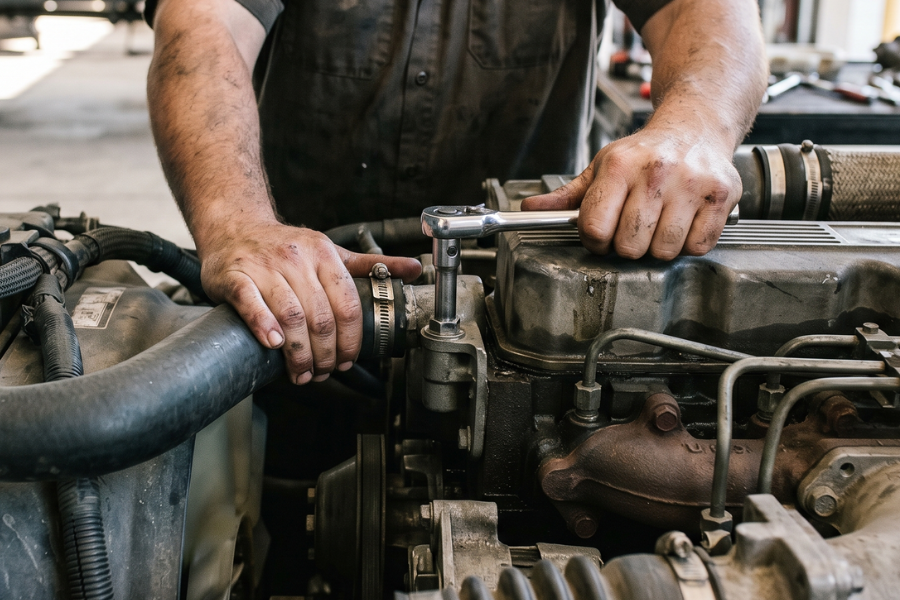
Preventive diesel maintenance catches minor problems before they cause engine damage, costly roadside repairs, extended downtime, missed deliveries, and lost revenue.
Oil and oil filters, fuel filters, air filters, coolant, belts, and hoses require scheduled service based on the engine manufacturer’s guidance and operating conditions.
Warning signs such as white exhaust smoke, unusual knocking, power loss, difficult starting, fluid leaks, or coolant-contaminated oil require prompt professional inspection.
Accurate service records, regular fluid checks, pre-trip inspections, and diesel-trained technicians help fleets improve reliability, fuel efficiency, engine life, and resale value.
There's nothing quite like the feeling of knowing your diesel engine is running at peak performance. But that peace of mind doesn't come from hoping everything stays in good condition—it comes from taking action today to prevent problems tomorrow.
At Doug Andrus Distributing, we've spent decades in the trucking business, and we've learned one critical lesson: preventive maintenance isn't just a best practice, it's the foundation of a reliable operation.
When you skip regular maintenance checks, you're essentially playing roulette with your bottom line. A catastrophic diesel engine failure can sideline your vehicle for weeks, cost thousands in repairs, and derail your entire business schedule. The good news? Most major failures are completely preventable. We're here to walk you through why preventive maintenance matters so much and how it protects both your investment and your livelihood.
The True Cost of Reactive Maintenance
Let's talk numbers for a moment. A minor oil change costs anywhere from $100 to $300 and takes a couple of hours. A seized engine due to oil degradation? That's a $10,000 to $30,000+ repair that could take your truck out of service for several weeks. The math is simple, yet so many operations continue to gamble on reactive maintenance instead of being proactive.
Reactive maintenance means you're fixing things only after they break. This approach creates a domino effect: one failure leads to secondary damage, which causes operational delays, which affects your reputation with carrier partnerships, which ultimately hits your earnings. We've seen it happen too many times.
Preventive maintenance flips the script entirely. By staying ahead of potential issues, you're protecting your equipment, your schedule, and your cash flow. Regular inspections and servicing catch small problems before they become catastrophic failures—and that's worth every penny you invest in it.
Why Diesel Engines Require Specialized Care
Diesel engines are workhorses, built to handle heavy loads and long hours on the road. But that durability comes with specific maintenance requirements that differ from gasoline engines. Diesel fuel itself is thicker and behaves differently, requiring different filtration standards. The compression ratios are higher, meaning components experience more stress with each combustion cycle.
When you neglect these specialized needs, you're creating the perfect storm for failure. Fuel injectors get clogged, leading to incomplete combustion. Turbochargers accumulate carbon buildup. Cylinder walls develop scoring from contaminated oil. Each of these issues starts small but compounds over time.
The bottom line: diesel engines demand respect and attention. They're not forgiving about maintenance shortcuts.
Key Components That Need Regular Attention
Your diesel engine's health depends on several critical systems working together. Oil and oil filters need changing on schedule—not based on how the engine "seems to be running." Fresh oil cools the engine, carries away contaminants, and protects moving parts from friction. When oil degrades, you're essentially running your engine without proper protection.
Fuel filters are another non-negotiable component. Diesel fuel can contain water and sediment that damage injectors and the fuel pump. A clogged fuel filter forces your fuel system to work harder, reducing efficiency and increasing heat. Over time, this stress leads to failure.
Air filters keep dirt and debris out of the combustion chamber. A dirty air filter restricts airflow, reducing engine power and increasing fuel consumption. It might seem like a small thing, but that restriction puts stress on the entire engine system.
Then there's coolant. A properly cooled engine is a happy engine. Coolant breaks down over time, becoming less effective at heat transfer. If your engine runs hotter than it should, you're accelerating wear on seals, gaskets, and cylinder heads.
Don't overlook belts and hoses either. These components age and deteriorate, and a broken serpentine belt or coolant hose can leave you stranded—or cause catastrophic overheating if not caught quickly.
The Preventive Maintenance Schedule That Works
We recommend following your manufacturer's maintenance schedule religiously. Most diesel engines need oil changes every 10,000 to 15,000 miles, depending on the engine type and operating conditions. Fuel filters typically need replacement every 10,000 to 20,000 miles. Air filters every 15,000 to 30,000 miles, and coolant flushes every 100,000 to 150,000 miles.
But here's where it gets real: these aren't just recommendations. They're safeguards written by engineers who understand exactly what these engines need to survive. Your vehicle's logbook should reflect these services, and you should never skip a scheduled maintenance interval.
Beyond the standard intervals, pay attention to fluid levels and visual inspections. Check oil, coolant, and fuel levels regularly. Look for leaks under the engine. Listen for unusual noises. These simple checks help you catch problems early, before they become major failures.
Partner With Professionals Who Know Diesel
This is where we need to be direct: preventive maintenance requires professional expertise. Your friendly neighborhood mechanic might know cars, but diesel engines are a different beast entirely. Improper diagnosis can lead to unnecessary repairs—or worse, overlooking the real problem.
When you work with professionals who specialize in diesel engines, you get accurate diagnostics, proper parts replacements, and maintenance protocols that actually protect your equipment. At Doug Andrus Distributing, we understand every aspect of keeping diesel engines running strong, and we're committed to helping our drivers and fleet operators maintain their equipment properly.
Real-World Impact: Preventing Common Failures
Consider head gasket failure. This happens when the gasket separating the cylinder head from the engine block deteriorates. Early signs include white smoke from the exhaust, coolant in the oil, or loss of coolant without visible leaks. Caught early through preventive inspections, you can replace the gasket for a few thousand dollars and a few days downtime. Let it progress to catastrophic failure, and you're looking at internal engine damage, potential warping, and a repair bill that could total tens of thousands of dollars.
Or think about fuel injector problems. Clean injectors spray fuel in precise patterns, enabling efficient combustion. Dirty injectors create uneven spray patterns, leading to incomplete combustion, lost power, increased emissions, and eventual injector failure. Regular fuel system maintenance prevents this cascade of problems.
Turbocharger failure is another common scenario. These components operate at extreme temperatures and speeds. They need clean oil and clean air to survive. Skip your oil changes or air filter replacements, and you're starving the turbocharger of the protection it needs. The result? A catastrophic failure that costs $3,000 to $6,000+ to repair.
Building a Maintenance Culture
Preventing diesel engine failures isn't a one-time action—it's a culture. Whether you're an individual owner-operator or managing a fleet, you need to prioritize semi-truck maintenance as non-negotiable. Your equipment is your livelihood, and proper care is your investment in future success.
Check our fleet to see the standards we maintain across our own equipment. We don't cut corners on maintenance, and neither should you. If you're looking to join an operation that values equipment care and professional standards, we encourage you to explore truck driving jobs with us—or reach out to learn more about how we support driver benefits that include well-maintained equipment.
Protect Your Investment, Protect Your Future
Preventive maintenance isn't an expense—it's insurance against catastrophic failure. Every dollar spent on regular oil changes, filter replacements, and professional inspections is money saved on emergency repairs and lost productivity.
The trucking business is demanding enough without fighting preventable engine problems you could've easily avoided. Take control of your equipment's health today. Stick to your maintenance schedule, trust professional mechanics who know diesel engines, and never postpone a service interval hoping everything will be fine.
Your diesel engine will reward you with reliability, efficiency, and years of dependable service. And that's the kind of partner you want on every mile of the road.
Ready to ensure your equipment gets the professional care it deserves? Contact our team at Doug Andrus Distributing to discuss your maintenance needs or explore how we support drivers and operators with top-tier equipment and resources. You can also browse equipment for sale if you're considering an upgrade to a well-maintained fleet vehicle.
Related Questions
What's the most critical maintenance task for diesel engines?
Oil changes are the foundation. Fresh oil protects engine components from friction, removes contaminants, and manages heat. Skipping or delaying oil changes is the most common cause of preventable diesel engine damage.
How can I tell if my diesel engine needs service before the scheduled interval?
Watch for white smoke in the exhaust, unusual knocking sounds, loss of power, difficulty starting, or leaks under the vehicle. These are red flags that something needs professional attention immediately—don't wait for the next scheduled service.
Is preventive maintenance really worth the cost for owner-operators?
Absolutely. The average cost of preventive maintenance is less than 10% of what you'd pay for catastrophic engine repairs. Plus, well-maintained equipment runs more efficiently, uses less fuel, and commands better resale value.
Can I handle diesel engine maintenance myself?
Some basic tasks like checking fluid levels are fine for owners, but actual maintenance and repairs require professional expertise. Diesel engines have complex systems and tight tolerances—improper service can cause more problems than it solves.