How Tire Maintenance Can Improve Commercial Truck Safety
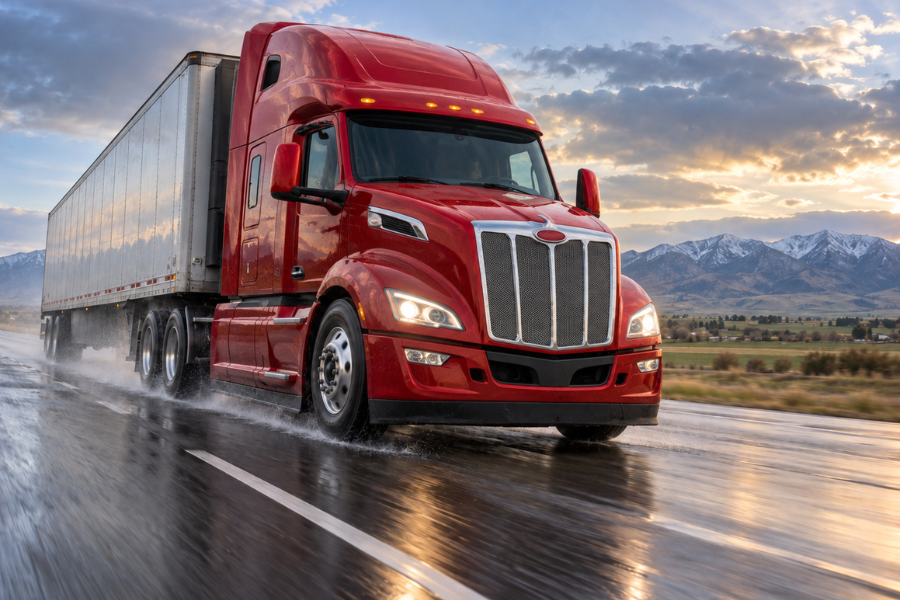
Commercial truck tires handle thousands of miles, heavy loads, changing road surfaces, and unpredictable weather. When they’re in good condition, drivers may barely think about them. When something goes wrong, though, a tire problem can quickly become a serious safety issue.
That’s why professional tire maintenance is a critical part of commercial truck safety. Properly maintained tires support predictable handling, reliable braking, good traction, and consistent performance throughout a route.
At Doug Andrus Distributing, we know our drivers depend on equipment that’s ready for the road. Our trucks are regularly serviced by in-house mechanics, and we place a strong emphasis on dependable equipment and professional support.
Drivers interested in the equipment behind our operation can learn more about our fleet. Those looking for their next opportunity can also explore our available truck driving jobs.
Why Tire Maintenance Is Essential for Commercial Truck Safety
A commercial truck relies on relatively small contact patches between its tires and the road. Those tires have to provide traction while supporting significant weight and responding to steering, braking, acceleration, and changing pavement conditions.
That makes tire condition a safety issue from the moment a truck leaves the yard.
Professional commercial truck tire maintenance helps identify wear, damage, inflation problems, and other concerns before they interfere with performance. Regular service also gives maintenance teams an opportunity to look for patterns that could point to problems elsewhere on the vehicle.
For drivers, the result is equipment that feels more consistent and predictable on the road.
Proper Tire Pressure Supports Predictable Handling
A commercial tire is designed to operate within specific conditions. When inflation is outside the appropriate range, the tire may not maintain its intended shape or contact with the road.
Underinflation can increase sidewall flex and heat buildup. Overinflation can change the way the tread contacts pavement and may contribute to uneven wear.
Either condition can affect how the truck responds.
That matters during normal driving, but it becomes especially important when a driver has to react quickly to traffic, road debris, a sudden lane change, or changing weather.
In Southeast Idaho, drivers may encounter dry pavement, rain, snow, ice, wind, and large temperature swings depending on the season and route. Properly maintained tires provide a more dependable foundation when conditions become challenging.
Professional tire pressure management helps ensure inflation matches the equipment and operating requirements rather than leaving an important safety factor to chance.
Healthy Tire Tread Improves Traction
Tread is what helps a tire maintain contact with the road when pavement conditions aren't ideal.
As tread wears, the tire's ability to manage water, snow, and other surface conditions can change. Uneven wear can also reduce the consistency of that contact.
Professional tire inspections allow maintenance teams to evaluate tread depth, wear patterns, cuts, cracking, embedded objects, and other signs that a tire may need attention.
These inspections are particularly important for commercial trucks because the tires operate under loads and mileage that ordinary passenger vehicles never experience.
Good tread condition supports traction during acceleration, cornering, and braking.
When snow or rain enters the picture, that traction becomes even more important. A tire that still looks acceptable from a distance may have wear or damage that requires closer professional evaluation.
Tire Condition Can Affect Braking Performance
Brakes may create the stopping force, but tires have to transfer that force to the roadway.
A truck with strong brakes still depends on adequate tire traction to slow effectively. Worn, damaged, or improperly maintained tires can change how efficiently that braking force reaches the pavement.
That connection becomes especially important for commercial vehicles carrying heavy loads.
A loaded tractor-trailer has significantly more mass to control than a passenger vehicle. Drivers need the truck's brakes, tires, suspension, and other systems working together as intended.
Professional maintenance supports that relationship.
Commercial truck safety depends on the condition of the entire vehicle, not one component in isolation. Tire maintenance is one part of a larger equipment strategy designed to provide drivers with consistent performance.
At Doug Andrus Distributing, our focus on well-maintained equipment is part of the support we provide professional drivers. Our driver benefits provide another look at how we support drivers and their families.
Tire Inspections Can Identify Damage Before a Failure
Not every tire problem begins with obvious symptoms.
Road debris, potholes, curbs, heat, age, and thousands of miles of normal use can all affect tire condition. Small cuts, punctures, sidewall damage, or irregular wear may develop before a driver notices a significant change from behind the wheel.
Professional inspection helps identify those concerns earlier.
Maintenance teams can evaluate the tire itself along with wheels, valves, mounting components, and surrounding systems that may contribute to abnormal wear.
This proactive approach matters because a controlled maintenance stop is far safer and less disruptive than a tire failure on the highway.
A roadside tire problem can force a driver to stop in an unsafe or inconvenient location. It can also expose the driver and roadside service personnel to passing traffic.
Reducing the likelihood of those situations protects people as well as equipment.
Uneven Tire Wear Can Signal a Larger Problem
Tire wear tells a story.
When tread disappears unevenly, the tire may be showing the effects of inflation problems, alignment concerns, suspension wear, wheel issues, or other mechanical conditions.
Replacing the tire without addressing the underlying cause may only lead to the same problem again.
Professional fleet maintenance gives technicians the opportunity to evaluate the larger system rather than treating every worn tire as an isolated issue.
That approach can improve both safety and reliability.
For example, a recurring wear pattern may lead a technician to investigate alignment or suspension components. Correcting the source helps protect the replacement tire while restoring more predictable vehicle behavior.
Tire maintenance can provide valuable early warning signs about the condition of the truck as a whole.
Matching Tires Across Commercial Truck Positions Matters
Commercial trucks operate with multiple tires spread across steer, drive, and trailer positions. Those tires have different jobs, but they still need to function as a coordinated system.
Significant differences in tire condition, wear, or inflation can create inconsistent performance.
Matching tires appropriately helps maintain balanced operation across an axle and reduces unnecessary stress on individual tires.
Professional fleet maintenance teams consider more than whether a tire simply holds air. They evaluate tire type, position, condition, wear, and compatibility with the rest of the equipment.
This becomes especially important when commercial trucks regularly carry heavy freight over long distances.
Consistency across the tire system contributes to more predictable handling and safer operation.
Preventive Tire Maintenance Reduces Roadside Breakdowns
A roadside tire failure can turn an ordinary route into a long delay.
The driver may need to find a safe place to stop, contact dispatch, wait for roadside service, and adjust the delivery schedule. Depending on the location and damage, the truck may be out of service for a significant amount of time.
Preventive maintenance cannot eliminate every unexpected tire problem, but it can reduce preventable failures.
Professional service teams can identify worn tires, pressure loss, damaged components, or unusual wear during scheduled maintenance rather than after something fails on the road.
That keeps more repairs inside a controlled shop environment.
For drivers, less roadside downtime means more time moving safely and productively.
Doug Andrus Distributing supports drivers with on-site mechanics and regularly serviced equipment, helping address maintenance needs without placing the burden on the driver.
Tire Maintenance Matters During Idaho's Seasonal Changes
Southeast Idaho weather places changing demands on commercial equipment throughout the year.
Summer heat can increase tire temperatures during long highway runs. Winter brings freezing temperatures, snow, ice, and traction challenges. Spring and fall may bring major temperature swings within short periods.
Temperature also influences tire pressure.
As outside temperatures change, pressure inside the tire changes with them. This makes consistent professional monitoring particularly important when seasons shift.
Road conditions add another variable.
Winter potholes, road debris, rough pavement, and deicing materials can all contribute to tire and wheel wear over time.
Seasonal tire maintenance helps keep commercial trucks prepared for the conditions drivers are actually facing, rather than relying on equipment that was last evaluated under completely different circumstances.
Better Tire Maintenance Helps Protect Drivers and Other Motorists
Commercial truck safety extends beyond the driver and the freight.
Every tractor-trailer shares the road with passenger vehicles, motorcycles, emergency responders, construction crews, and other commercial drivers.
A preventable equipment failure can affect everyone nearby.
Maintaining tires professionally helps reduce risks associated with sudden pressure loss, tread problems, poor traction, and unexpected roadside stops.
It also gives drivers greater confidence in the equipment underneath them.
That confidence matters. Drivers can focus more fully on traffic, weather, navigation, and defensive driving when they know their truck has received consistent professional maintenance.
Safe equipment supports safe decision-making behind the wheel.
Reliable Tires Help Keep Freight Moving Safely
Tire maintenance also supports the cargo being transported.
A tire failure can delay temperature-sensitive freight, disrupt scheduled appointments, or force a load to sit while repairs are completed.
For specialized freight, delays can become even more complicated.
Doug Andrus Distributing operates a range of equipment, including refrigerated trailers, flatbeds, step decks, vans, hopper trains, and convertible hoppers. Each type of operation places its own demands on trucks and trailers.
Reliable tires help all of that equipment reach its destination safely and consistently.
The same expectations apply to the outside carriers we work with. Businesses interested in working with our transportation network can learn more about carrier partnerships.
Strong transportation partnerships depend on safe equipment, dependable performance, and professional standards on the road.
Professional Maintenance Supports Driver Confidence
Drivers notice when a company takes equipment seriously.
Reliable trucks reduce unnecessary distractions and give drivers confidence that maintenance concerns will receive professional attention.
That support is especially important for experienced drivers who know how quickly equipment problems can disrupt a route.
At Doug Andrus Distributing, we don't expect drivers to carry the maintenance program on their shoulders. Our in-house mechanics regularly service our trucks, helping keep equipment prepared for the road.
This creates a clearer division of responsibility.
Drivers can communicate concerns and provide valuable observations from the road, while trained maintenance professionals evaluate and address mechanical issues.
That partnership between drivers and maintenance teams creates a stronger safety culture.
Safe Miles Start With Well-Maintained Equipment
Commercial truck safety depends on thousands of decisions and moving parts working together. Tire maintenance may be only one piece of that picture, but it's an important one.
Proper inflation, healthy tread, professional inspections, consistent wear, and timely service all contribute to safer handling and more dependable performance.
At Doug Andrus Distributing, we believe professional drivers deserve equipment that supports them every mile of the way. Our commitment to well-maintained trucks, in-house mechanical support, and dependable equipment helps give drivers the foundation they need to do their jobs safely and efficiently.
If you're a professional driver in Idaho Falls or Southeast Idaho looking for a company built around reliable equipment and driver support, learn more about Doug Andrus Distributing.
Ready to find out whether Doug Andrus is the right fit for your next driving opportunity? Contact our team today.
Related Questions
How does wheel alignment affect commercial truck tires?
Poor alignment can cause tires to scrub against the roadway instead of rolling evenly. This can accelerate wear and may affect handling, so professional alignment service is an important part of overall tire management.
Why do commercial truck tires sometimes develop bulges?
Bulges can indicate internal tire damage or structural separation. Because the severity can't be determined reliably from appearance alone, the tire should be evaluated by a qualified maintenance professional.
Does tire age matter if the tread still looks good?
Yes. Tire condition depends on more than tread depth. Age, heat exposure, operating conditions, previous damage, and the tire manufacturer's guidance all factor into professional replacement decisions.
Can damaged wheels affect commercial truck tire safety?
Yes. Bent, cracked, corroded, or otherwise damaged wheels can affect how a tire mounts and performs. Commercial wheel and tire concerns should be evaluated together by trained maintenance professionals.