The Benefits of Regular Oil Changes for Heavy Duty Diesel Engines
A heavy duty diesel engine works under demanding conditions for hours at a time. Internal components move at high speeds, combustion creates intense heat, and the engine may spend much of its working life pulling substantial loads across long distances.
Engine oil is one of the systems that helps make that workload possible. It lubricates moving parts, helps manage heat, carries contaminants, and supports the protection of internal components. As oil ages, its ability to perform those jobs can change.
That is why regular professional oil changes are a fundamental part of heavy duty diesel maintenance. At Doug Andrus Distributing, our drivers rely on well-maintained trucks backed by in-house mechanics. You can learn more about our fleet or review current truck driving jobs in Idaho Falls and beyond.
Why Regular Oil Changes Matter in Heavy Duty Diesel Engines
Engine oil operates in a difficult environment. It circulates through a diesel engine while exposed to heat, combustion byproducts, and the normal wear created by thousands of moving parts and working cycles.
Regular oil changes replace aging oil before declining condition becomes an unnecessary risk to engine performance. Professional service also includes the broader maintenance process needed to confirm the engine is receiving appropriate care for its operating demands.
For a commercial fleet, this is not simply routine housekeeping. Reliable lubrication supports engine protection, consistent performance, and fewer preventable interruptions for the drivers who depend on those trucks every day.
Fresh Oil Maintains a Protective Lubricating Film
Inside a diesel engine, many metal components move in extremely close proximity. Oil creates a protective film between those surfaces, reducing direct contact and helping the components move smoothly under load.
Over time, oil is exposed to heat and contamination that can affect its condition. If lubrication becomes less effective, friction and wear can increase in areas where the engine needs protection most.
Professional oil changes restore the engine's supply of serviceable lubricant according to the fleet's maintenance program. Consistent lubrication helps protect internal components while supporting smooth, predictable engine operation.
Oil Helps Heavy Duty Diesel Engines Manage Heat
The cooling system handles much of an engine's heat, but engine oil also plays a supporting role. As oil circulates, it absorbs heat from internal components and carries that heat away from areas where friction and combustion create demanding conditions.
Oil that is in suitable condition can perform this job while continuing to lubricate the engine. Maintenance teams therefore consider oil service part of the larger effort to keep engine temperatures and operating conditions under control.
This becomes especially important during long highway runs, heavy loads, steep grades, or warm weather. Those conditions can increase the workload on a diesel engine for extended periods.
Regular oil service supports the engine's ability to handle that workload without adding avoidable stress from degraded lubrication.
Oil Changes Remove Contaminants From the Engine
Engine oil does more than reduce friction. As it circulates, it also carries soot, microscopic wear particles, and other contaminants that can accumulate during normal operation.
The oil and filtration system work together to manage those materials, but neither is intended to operate indefinitely without service. Regular oil changes remove the old oil and the contaminants suspended within it, giving the engine a cleaner working environment.
Professional oil maintenance helps control contamination before it becomes a larger concern.
Regular Service Creates a Chance to Identify Developing Problems
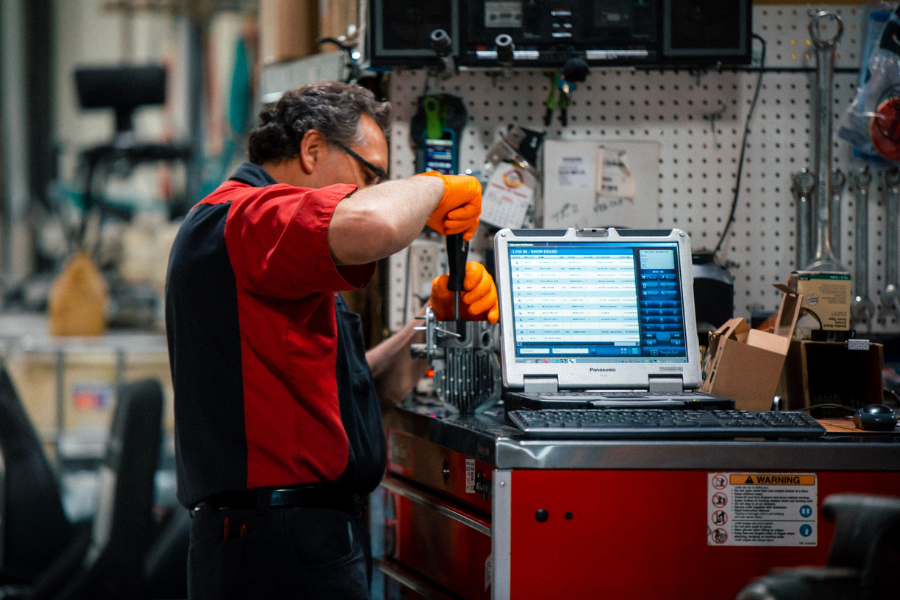
An oil change is also an opportunity for trained maintenance professionals to look more closely at the engine and surrounding systems. Leaks, unusual fluid condition, damaged components, or other concerns may become visible during scheduled service.
Finding those issues during planned maintenance is preferable to discovering them after a warning light, loss of performance, or roadside failure interrupts a route.
This is one of the broader advantages of preventive fleet maintenance. Routine service creates repeated checkpoints where small problems can be evaluated before they have more time to develop.
At Doug Andrus Distributing, our trucks are serviced regularly by in-house mechanics. That ongoing support helps drivers spend more time focused on moving freight and less time dealing with avoidable equipment uncertainty.
Clean Oil Supports Consistent Engine Performance
Professional drivers quickly become familiar with how their trucks sound, accelerate, and respond under load. Consistency matters because a predictable truck lets the driver concentrate on traffic, weather, routing, and freight rather than wondering whether the engine is developing a problem.
Regular oil maintenance helps preserve that consistency by supporting proper lubrication and internal protection. It cannot prevent every mechanical issue, but it removes one common source of unnecessary engine stress.
Oil Maintenance Supports Long-Term Engine Reliability
Heavy duty diesel engines are valuable working assets, and fleets depend on them to deliver productive miles over long periods. Protecting those engines requires more than reacting to a problem after it appears.
Regular oil changes support internal cleanliness, lubrication, and component protection throughout the truck's service life.
The goal is dependable operation, not simply getting through the next trip. A disciplined service program helps keep maintenance decisions proactive and gives the fleet a clearer picture of each truck's condition.
When equipment eventually reaches a point where replacement makes more sense than continued operation, drivers and fleet buyers can also review available equipment for sale through DAD's Truck Sales.
Oil Changes Are One Part of Complete Fleet Maintenance
Engine oil is important, but no single maintenance item can carry the entire truck. Tires, brakes, fluids, filters, cooling components, electrical systems, and the rest of the vehicle all contribute to safe and reliable operation.
That is why oil service works best as part of an organized maintenance program rather than an isolated task. Maintenance teams can coordinate service needs, review vehicle history, and address related concerns while the truck is already scheduled for attention.
Doug Andrus Distributing supports regional, long-haul, heavy-haul, dedicated, and third-party logistics work with refrigerated equipment, hoppers, flatbeds, step decks, and vans.
Consistent maintenance helps that equipment remain ready for the different demands placed on it.
Dependable Maintenance Supports Professional Drivers
Drivers feel the effects of maintenance decisions directly. A truck that is regularly serviced is less likely to create avoidable uncertainty during a long route, and dependable equipment can make the working day more predictable.
Our approach is built around giving drivers professional support instead of expecting them to manage mechanical problems on their own. Drivers communicate concerns, and trained maintenance professionals evaluate and service the equipment.
That relationship is part of the broader support available at Doug Andrus Distributing. Our driver benefits highlight additional resources for drivers and their families.
We believe reliable equipment is a driver benefit in its own right. It protects time, reduces unnecessary disruptions, and gives professional drivers a better foundation for doing their jobs well.
Why Oil Service Matters for Idaho Falls Truck Drivers
Drivers based in Southeast Idaho operate through changing seasons, elevation, long highway stretches, and a wide range of freight demands. The engine may face cold starts in winter, extended highway operation, steep grades, and warm summer conditions over the course of a year.
A consistent maintenance program gives the fleet a structured way to support equipment through those changing conditions. Oil service is one of the recurring maintenance steps that helps keep diesel engines protected as the work changes from season to season.
Professional service also means maintenance decisions are based on the needs of the equipment and operating program rather than guesswork. That matters when the truck is expected to be ready for another load as soon as the current one is complete.
Build Your Career Around Equipment That Is Ready to Work
Regular oil changes may seem routine, but their value reaches far beyond the service bay. Fresh oil supports lubrication, heat management, contaminant control, and long-term engine protection, while scheduled service gives mechanics repeated opportunities to catch developing concerns.
At Doug Andrus Distributing, regularly serviced trucks and in-house mechanical support help us keep professional drivers moving. Equipment care is part of the larger commitment required to operate a dependable fleet.
If you are looking for a trucking career in Idaho Falls or the surrounding region, learn more about Doug Andrus Distributing. You can also contact our team to ask questions about current opportunities, our equipment, and what it is like to drive with us.
Related Questions
Can engine oil condition provide clues about diesel engine problems?
Yes. Changes in oil condition can sometimes give maintenance professionals useful information about what is happening inside an engine. Any unusual finding should be evaluated in the context of the truck's maintenance history and operating conditions.
Why are oil filters replaced as part of diesel engine service?
Oil filters help capture contaminants circulating through the lubrication system. Replacing them as part of the appropriate professional service helps prevent an old filter from undermining the benefits of fresh oil.
Does idling affect diesel engine oil?
Engine operation continues during idling, so the oil is still exposed to heat, combustion byproducts, and operating time. Maintenance professionals consider the truck's actual use when managing service needs.
Should every heavy duty diesel truck follow the same oil change schedule?
No. Service needs can vary with the engine, operating conditions, duty cycle, and maintenance program. Fleet maintenance professionals should manage oil service according to the specific equipment and how it is used.