How Preventive Maintenance Improves Fuel Efficiency in Heavy Duty Diesel Trucks
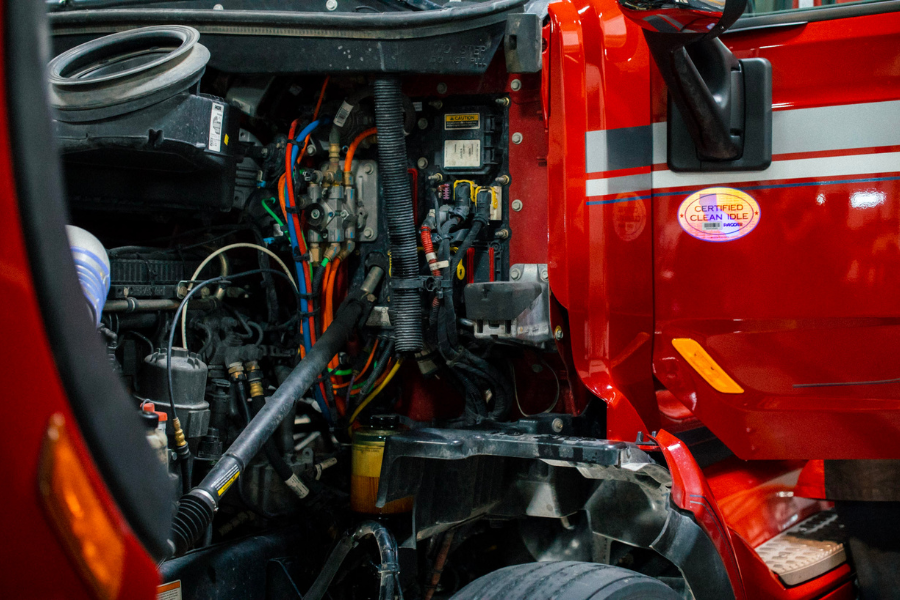
Fuel is one of the biggest operating demands in commercial trucking, and every gallon has to move a heavy vehicle through changing terrain, weather, traffic, and load conditions. When a diesel truck is not operating as efficiently as it should, small mechanical issues can create extra resistance or force the engine to work harder than necessary.
That is where preventive maintenance becomes especially valuable. Regular professional service helps keep the systems that affect fuel use working together as intended, while also reducing the risk that a minor problem will turn into a costly roadside interruption.
At Doug Andrus Distributing, we understand how closely equipment condition and driver performance are connected. Drivers can learn more about our fleet and explore current truck driving jobs to see how dependable equipment and professional support fit into our operation.
Why Preventive Maintenance Matters for Diesel Fuel Efficiency
A heavy duty diesel truck does not become fuel efficient because of one component alone. The engine, tires, drivetrain, filters, fluids, alignment, and other systems all influence how efficiently the truck converts fuel into productive miles.
Preventive maintenance improves fuel efficiency by helping those systems operate within their intended conditions. When wear, contamination, improper inflation, or mechanical drag develops, the truck may require more energy to maintain the same speed and workload.
Regular service also creates a predictable opportunity for trained mechanics to identify developing problems. Instead of waiting for a noticeable loss of performance, maintenance teams can evaluate equipment while it is still operating and address concerns before they affect a route.
Proper Tire Condition Reduces Unnecessary Rolling Resistance
Every tire creates some resistance as it rolls, but incorrect inflation or uneven wear can increase the amount of energy needed to keep a truck moving. On a vehicle that travels long distances under substantial loads, that added resistance can influence fuel use over time.
Professional tire maintenance helps confirm that tires are in appropriate condition for the equipment and application. It also gives maintenance teams a chance to identify wear patterns that may point to alignment, suspension, or other mechanical concerns.
The benefit goes beyond fuel. Well-maintained tires support safer handling, predictable braking, longer service life, and fewer roadside disruptions. Those advantages make tire management an important part of overall fleet efficiency rather than a separate maintenance task.
Clean Airflow Helps Diesel Engines Work Efficiently
A diesel engine needs a steady supply of clean air to operate properly. When airflow becomes restricted, the engine may have to work under less-than-ideal conditions to produce the power required for acceleration, grades, and highway speeds.
Professional preventive maintenance includes evaluating components that affect engine breathing and replacing service items according to the fleet's maintenance program. This helps preserve consistent airflow without waiting for a driver to experience a noticeable performance change.
For professional drivers, the difference is practical. An engine that receives the air it needs can deliver more consistent performance, which supports efficient operation across long routes and changing loads.
Engine Oil and Fluids Affect Friction and Performance
Heavy duty diesel engines depend on oil and other fluids to reduce friction, control heat, protect moving parts, and support multiple vehicle systems. As those fluids age or become contaminated, they may not perform their jobs as effectively.
Scheduled professional service keeps fluid condition from becoming an afterthought. Maintenance teams can manage oil changes and other service intervals as part of a broader program built around the truck's operating demands.
Reducing unnecessary friction matters because friction consumes energy. Proper lubrication helps the engine and related components operate smoothly instead of wasting fuel overcoming avoidable resistance. It also supports long-term reliability, which is equally important for a working fleet.
Alignment and Suspension Condition Can Influence Fuel Use
A truck that is not tracking correctly can create resistance even when the engine itself is running well. Alignment and suspension concerns may cause tires to scrub across the roadway, produce irregular wear, or make the vehicle harder to keep moving efficiently in a straight line.
These problems are not always obvious from a quick visual check. Professional maintenance gives trained technicians an opportunity to evaluate the larger system when tire wear or handling characteristics suggest that something has changed.
Correcting the underlying mechanical condition helps protect tires while reducing avoidable drag. It also gives drivers a truck that feels more predictable, which supports safer operation on the highways around Idaho Falls and throughout longer routes.
Preventive Service Helps Catch Fuel-Wasting Problems Early
Fuel efficiency can decline gradually. A driver may not notice a small change from one trip to the next, especially when routes, weather, cargo weight, and traffic are constantly changing.
A structured maintenance program gives fleets another way to spot those changes. Technicians can evaluate equipment condition, service history, and recurring concerns before a minor issue becomes a major performance problem.
That early attention is valuable because a small mechanical problem may affect several systems at once. An issue that begins as extra resistance or inconsistent performance can eventually contribute to premature wear, downtime, or a larger repair.
Preventive maintenance turns many of those concerns into planned service rather than unexpected roadside events. That helps protect fuel efficiency while also making fleet scheduling more predictable.
Reliable Equipment Helps Drivers Maintain Consistent Performance
Fuel economy is not controlled by maintenance alone. Route conditions, weather, traffic, load weight, and driving demands all matter. Still, drivers are in a better position to operate consistently when the truck itself is mechanically sound.
A vehicle with dependable tires, responsive systems, clean airflow, and appropriate lubrication gives the driver a stable platform for the job. That consistency removes mechanical variables that could otherwise make efficient operation more difficult.
At Doug Andrus Distributing, our drivers are supported by regularly serviced trucks and in-house mechanics. Our driver benefits provide another look at the broader support available to drivers and their families.
For us, maintaining equipment is part of respecting the driver's time. A truck that is ready to work helps drivers spend more of their day moving freight instead of dealing with preventable equipment problems.
Maintenance Supports Efficiency Across a Diverse Fleet
Different freight types place different demands on commercial equipment. Doug Andrus Distributing operates refrigerated equipment, hopper trains, convertible hoppers, flatbeds, step decks, and vans, alongside regional, long-haul, heavy-haul, dedicated, and third-party logistics services.
That variety makes consistent maintenance especially important. Equipment has to be ready for the specific work assigned to it, rather than simply capable of moving under its own power.
Fleet efficiency depends on matching dependable equipment with professional drivers and organized support. Preventive maintenance helps create that foundation by keeping mechanical condition from becoming an unnecessary source of fuel waste or operational uncertainty.
Preventive Maintenance Also Reduces Costly Downtime
A fuel-efficiency problem becomes much more expensive if it ends in a breakdown. Roadside service, missed delivery windows, driver delays, and replacement equipment can quickly outweigh the cost of addressing a developing issue during planned maintenance.
Scheduled service allows a fleet to manage repairs under controlled conditions. Technicians can inspect equipment, complete required work, and return the truck to service without waiting for a failure to dictate the schedule.
For drivers, fewer unexpected problems mean fewer hours spent waiting. For customers, dependable equipment supports more consistent transportation. For the fleet, planned maintenance helps protect both operating efficiency and available capacity.
Keep Your Career Moving With Dependable Equipment
Fuel efficiency is ultimately one part of a larger goal: keeping heavy duty diesel trucks reliable, productive, and ready for the work ahead. Preventive maintenance supports that goal by reducing avoidable resistance, protecting major systems, and giving mechanics regular opportunities to catch developing concerns.
At Doug Andrus Distributing, well-maintained equipment and in-house mechanical support are part of how we support professional drivers. We know that reliable trucks help drivers do their jobs with greater confidence and fewer unnecessary interruptions.
If you are a professional driver in Idaho Falls or the surrounding region looking for a company that takes equipment condition seriously, learn more about Doug Andrus Distributing. You can also contact our team to ask about current driving opportunities and the support available behind every mile.
Related Questions
Can preventive maintenance help a diesel truck maintain power on grades?
Yes. Maintenance helps keep engine, airflow, cooling, lubrication, and related systems in proper operating condition. That supports consistent performance when the truck is working harder on grades or under heavy loads.
Does fuel quality affect heavy duty diesel efficiency?
Fuel quality can influence engine operation, but it is only one part of overall efficiency. Fleet maintenance, operating conditions, vehicle condition, and the demands of each route also affect fuel use.
Can aerodynamic damage increase fuel consumption?
Damage to exterior components can change airflow around a truck and may contribute to additional drag. Maintenance teams should evaluate damaged equipment as part of the vehicle's overall condition and service needs.
Why is maintenance history useful when evaluating fuel efficiency?
Service records help maintenance teams identify recurring issues and understand what work has already been completed. That history can make it easier to recognize patterns when fuel efficiency or vehicle performance changes.