The Impact of Trailer Maintenance on Fleet Performance
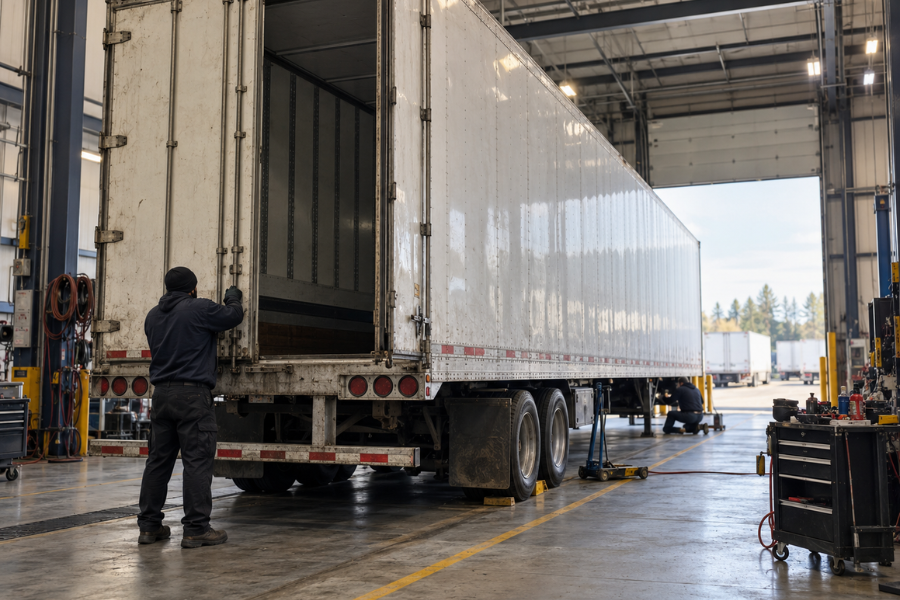
A truck may provide the power, but the trailer carries the load. When a trailer is properly maintained, drivers can complete their routes with fewer interruptions, cargo stays better protected, and the entire fleet operates more efficiently.
When trailer maintenance falls behind, small problems can quickly turn into delayed deliveries, roadside breakdowns, safety concerns, and expensive repairs. A damaged light, worn tire, air leak, or faulty door may seem minor at first, but every unresolved issue adds risk to the road.
At Doug Andrus Distributing, we understand that reliable transportation depends on more than simply keeping tractors running. Our trailers, equipment, drivers, and support teams all work together to keep freight moving safely and on schedule.
Drivers who want to learn more about the equipment behind our operation can explore our fleet. Those looking for a dependable trucking career in Southeast Idaho can also review our current truck driving jobs.
Why Trailer Maintenance Matters to Fleet Performance
Trailer maintenance directly affects nearly every part of a trucking operation. It influences safety, delivery times, cargo condition, fuel use, driver confidence, and long-term equipment costs.
A fleet can have experienced drivers and dependable tractors, but neglected trailers will still create problems. That is why professional trailer maintenance must be treated as a core part of fleet management rather than an occasional repair expense.
Consistent trailer maintenance helps keep equipment available, dependable, and ready for the next load. It also gives drivers greater confidence that the trailer assigned to them has been properly inspected and supported.
For a trucking company, that reliability can make the difference between completing a route as planned and losing hours to preventable downtime.
Trailer Maintenance Reduces Unexpected Downtime
Few things disrupt a route faster than a trailer problem that could have been caught before departure. A damaged tire, failing wheel component, electrical issue, or air-system leak can leave a driver waiting for roadside assistance instead of delivering freight.
Professional inspections help identify wear before it becomes a breakdown. Maintenance teams can look for developing issues, complete necessary repairs, and confirm that the trailer is ready for service.
This proactive approach helps reduce:
Roadside service calls
Missed appointments
Unplanned trailer swaps
Driver delays
Rescheduled deliveries
Emergency repair expenses
Every hour a trailer is unavailable affects more than one piece of equipment. It may also affect the driver, dispatcher, customer, loading facility, and the next scheduled shipment.
That is why trailer uptime is fleet uptime. When trailers remain dependable, the entire operation becomes easier to schedule and manage.
Well-Maintained Trailers Support Safer Driving
Drivers need equipment that responds predictably. Trailer maintenance plays an important role in braking, visibility, stability, tire performance, and secure cargo transportation.
Brakes, tires, lights, suspension components, wheel assemblies, and air systems all need professional attention. When these systems are maintained correctly, drivers are better equipped to respond to traffic, changing road conditions, steep grades, and Idaho’s unpredictable weather.
Trailer lighting is especially important during early mornings, nighttime routes, fog, snow, and heavy rain. Working brake lights, turn signals, clearance lights, and reflectors help other motorists understand what the truck is doing.
Tires also require close attention. Uneven wear, low pressure, damaged tread, or hidden sidewall problems can affect handling and increase the risk of failure.
Safety is not created by one inspection or one repair. It comes from an ongoing maintenance process that keeps every trailer component working as intended.
Reliable Equipment Helps Drivers Stay Productive
Professional drivers already manage demanding schedules, changing weather, traffic, customer requirements, and federal regulations. Equipment problems add unnecessary stress to an already complex job.
A well-maintained trailer allows a driver to focus on operating safely and delivering freight. The driver should not have to wonder whether a door will latch correctly, whether a light will fail, or whether a tire will hold up through the route.
Dependable equipment also makes pre-trip and post-trip inspections more effective. Drivers can report changes or new concerns rather than repeatedly identifying the same unresolved problem.
At Doug Andrus Distributing, we believe drivers perform their best when they have the equipment and support needed to succeed. Our driver benefits reflect our broader commitment to supporting drivers and their families.
A strong maintenance culture shows drivers that their time, safety, and professionalism matter.
Trailer Maintenance Protects Freight and Customer Relationships
The trailer is the final layer of protection between the freight and the road. Doors, floors, roofs, walls, seals, refrigeration systems, and securement points all help keep cargo in acceptable condition.
A leaking roof can expose freight to water. A damaged door seal may allow dust, moisture, or outside air into the trailer. A worn floor can make loading difficult and create additional risk for cargo or material-handling equipment.
Temperature-sensitive freight requires even more control. Refrigerated trailers must maintain dependable airflow, insulation, door seals, and temperature performance throughout the trip.
When freight arrives damaged, late, wet, unstable, or outside the required temperature range, the effects can be significant. The carrier may face a claim, the customer may lose inventory, and the relationship may suffer.
Professional trailer maintenance helps protect the load and the trust behind it. Customers depend on carriers to deliver freight in the condition in which it was accepted.
Consistent equipment care supports that promise.
Preventive Maintenance Helps Control Repair Costs
Emergency repairs are usually more disruptive than scheduled maintenance. They may involve towing, mobile service, replacement equipment, overnight parts, missed delivery windows, and additional labor.
Preventive maintenance gives fleets more control over when and how repairs are completed. Rather than waiting for a component to fail on the road, maintenance teams can address wear during planned service intervals.
This approach can also prevent one damaged component from affecting another. For example, unresolved alignment or suspension issues may cause premature tire wear. A minor air leak may place additional strain on the braking system. Water intrusion may lead to corrosion or structural deterioration.
Addressing the original problem early often limits the scope of the repair.
Professional maintenance also helps fleet managers understand the condition of each trailer. Service histories can reveal recurring issues, aging components, and equipment that may require more frequent attention.
When replacement becomes more practical than continued repair, fleet owners can review available equipment for sale and make a more informed decision.
Proper Maintenance Extends Trailer Service Life
Commercial trailers are built for demanding work, but no trailer lasts forever without care. Miles, weather, loading cycles, road salt, vibration, heavy freight, and changing temperatures all take a toll.
Routine professional maintenance can slow that deterioration and help equipment remain productive longer. This is particularly valuable in Southeast Idaho, where trailers may operate through snow, ice, summer heat, rough roads, and long regional routes.
Important maintenance areas may include:
Braking systems
Tires and wheels
Suspension components
Electrical systems
Lights and reflectors
Doors and locking hardware
Roofs, walls, and floors
Air lines and connections
Landing gear
Refrigeration equipment
Structural components
Each system contributes to the trailer’s overall condition. Ignoring one area may eventually affect several others.
A longer trailer service life improves the return on the original equipment investment. It can also help fleets avoid replacing multiple trailers at once because maintenance was postponed.
Clean, Organized Equipment Improves Inspections
Trailer maintenance is not limited to mechanical repairs. Clean, organized equipment can make developing problems easier to see.
Dirt, grease, road salt, and debris may hide cracks, corrosion, leaks, loose fasteners, or damaged components. When trailers are regularly cleaned and professionally inspected, maintenance teams can identify these concerns sooner.
Clean cargo areas also support better freight handling. Debris, broken materials, loose straps, or damaged flooring can interfere with loading and create avoidable hazards.
Drivers benefit from receiving equipment that is ready for the load rather than having to deal with leftover materials or preventable trailer conditions.
A professional fleet appearance also matters. Customers notice equipment condition at warehouses, loading docks, distribution centers, and delivery locations.
A clean, maintained trailer communicates that the carrier takes its work seriously.
Maintenance Records Support Better Fleet Decisions
Accurate maintenance records help a company see the full history of each trailer. Without good documentation, it can be difficult to identify repeated failures or determine whether a repair solved the underlying issue.
Service records may track inspections, tire replacements, brake work, structural repairs, electrical problems, refrigeration service, and other maintenance activity.
This information helps fleet managers:
Schedule preventive service
Identify recurring problems
Monitor repair costs
Compare trailer performance
Plan equipment replacement
Maintain inspection readiness
Reduce repeated downtime
Data also helps maintenance teams spot patterns across multiple trailers. A recurring issue may point to a specific component, operating condition, trailer model, or service interval.
Better information leads to better decisions. Instead of reacting to each repair separately, fleets can build a more effective long-term maintenance strategy.
Drivers Are an Important Part of the Maintenance Process
Drivers spend more time with the equipment than nearly anyone else. They may be the first to notice a change in braking, air pressure, tire condition, lighting, handling, door operation, or trailer alignment.
Clear reporting helps maintenance teams investigate the issue before it becomes more serious. Even a small change may provide useful information when it is documented accurately.
A strong fleet creates a clear path for drivers to report equipment concerns and receive timely follow-up. Maintenance should never become a source of confusion about who is responsible or whether the issue will be addressed.
The goal is a coordinated process in which drivers, dispatchers, and maintenance professionals share information.
We also value dependable transportation professionals beyond our own fleet. Businesses interested in working with us can learn more about our carrier partnerships.
Strong carrier relationships depend on communication, accountability, and equipment that is prepared for the work.
Better Trailer Maintenance Creates a More Reliable Fleet
Fleet reliability is built one trailer at a time. Each completed inspection, scheduled service, and professional repair reduces uncertainty within the operation.
When trailers are consistently maintained, dispatchers have more available equipment, drivers experience fewer disruptions, and customers receive more predictable service.
This reliability helps the company respond when schedules change or freight demand increases. Instead of losing capacity to preventable repairs, the fleet can remain flexible.
The benefits extend throughout the operation:
Drivers spend more time moving
Equipment stays available
Delivery schedules remain more consistent
Cargo receives better protection
Repair costs become easier to manage
Customers receive dependable service
Fleet planning becomes more accurate
No maintenance program can eliminate every unexpected issue. Road debris, weather, accidents, and component failures can still occur.
However, professional preventive maintenance reduces avoidable risk and gives the fleet a stronger foundation for handling the challenges that remain.
A Dependable Fleet Starts With Dependable Equipment
Trailer maintenance may happen behind the scenes, but its effects are visible on every route. It supports safer driving, stronger delivery performance, better cargo protection, and fewer interruptions for drivers.
At Doug Andrus Distributing, we know that our drivers need equipment they can count on. We also know that our customers depend on us to move freight safely, efficiently, and professionally.
That is why trailer condition matters. A reliable fleet is not simply a collection of trucks and trailers. It is a coordinated operation supported by experienced drivers, careful planning, professional maintenance, and a commitment to doing the job right.
Drivers in Idaho Falls and throughout Southeast Idaho who are looking for a company that values dependable equipment and long-term careers can start by learning more about Doug Andrus Distributing.
Ready to discuss an opportunity, ask a question, or take the next step? Contact our team today. We are proud to support professional drivers and reliable transportation from our home base in Idaho Falls.
Related Questions
How often should commercial trailer tires be replaced?
Replacement timing depends on mileage, age, tread condition, loading, and wear patterns. Fleet maintenance professionals should inspect tires regularly and replace them based on condition and safety standards.
Can trailer alignment affect fuel use?
Yes. Poor alignment can create additional rolling resistance and uneven tire wear, which may reduce efficiency and shorten tire life.
Why do trailer doors become difficult to open or close?
Door problems may result from damaged hinges, worn hardware, structural movement, corrosion, or alignment issues. A professional inspection can identify the source of the problem.
Does trailer age determine whether it should be replaced?
Age is only one factor. Repair history, structural condition, maintenance costs, reliability, and the trailer’s intended use all help determine whether continued service is practical.